Event Summary#
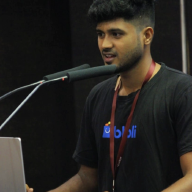
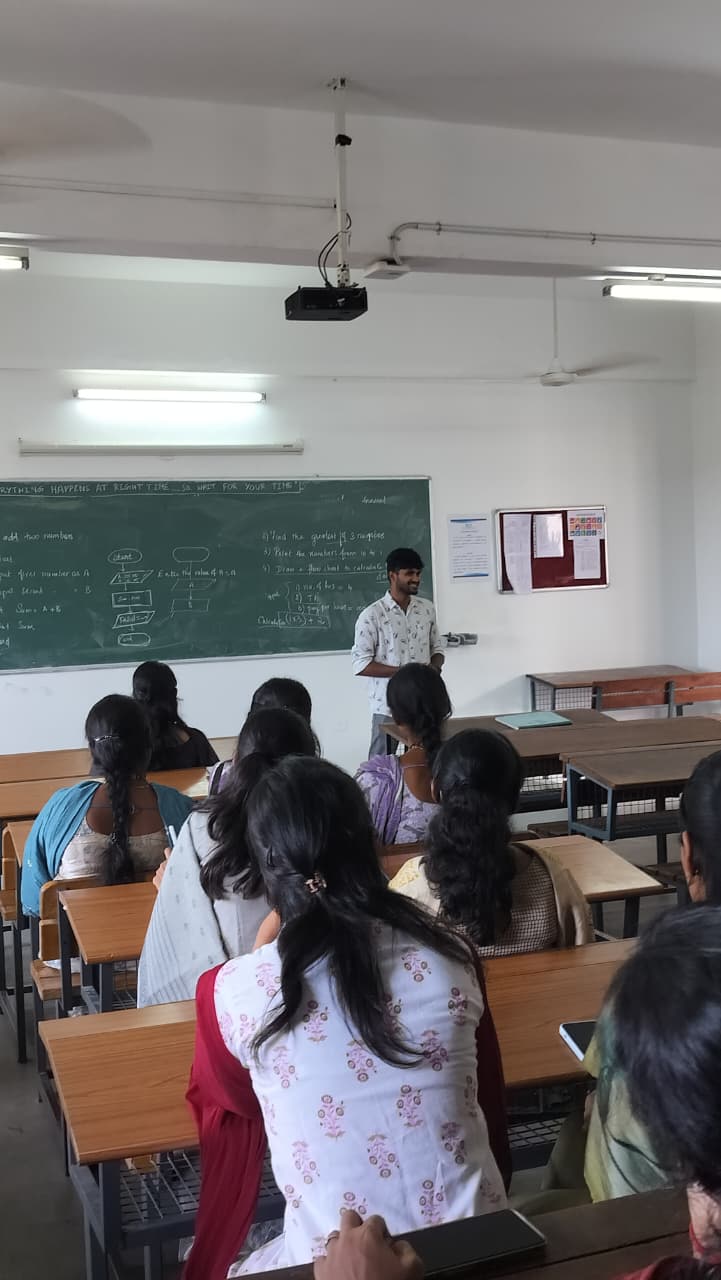
I had the opportunity to spend a meaningful Saturday at Kongu Engineering College, interacting with students on the rapidly evolving technology landscape and what it means as they prepare for the job market.
The session went well beyond a traditional lecture. It was designed as an interactive dialogue covering the changing expectations of the software industry, the necessity of continuous learning, and how emerging paradigms such as AI-assisted development and “vibe coding” are transforming how ideas turn into working solutions.
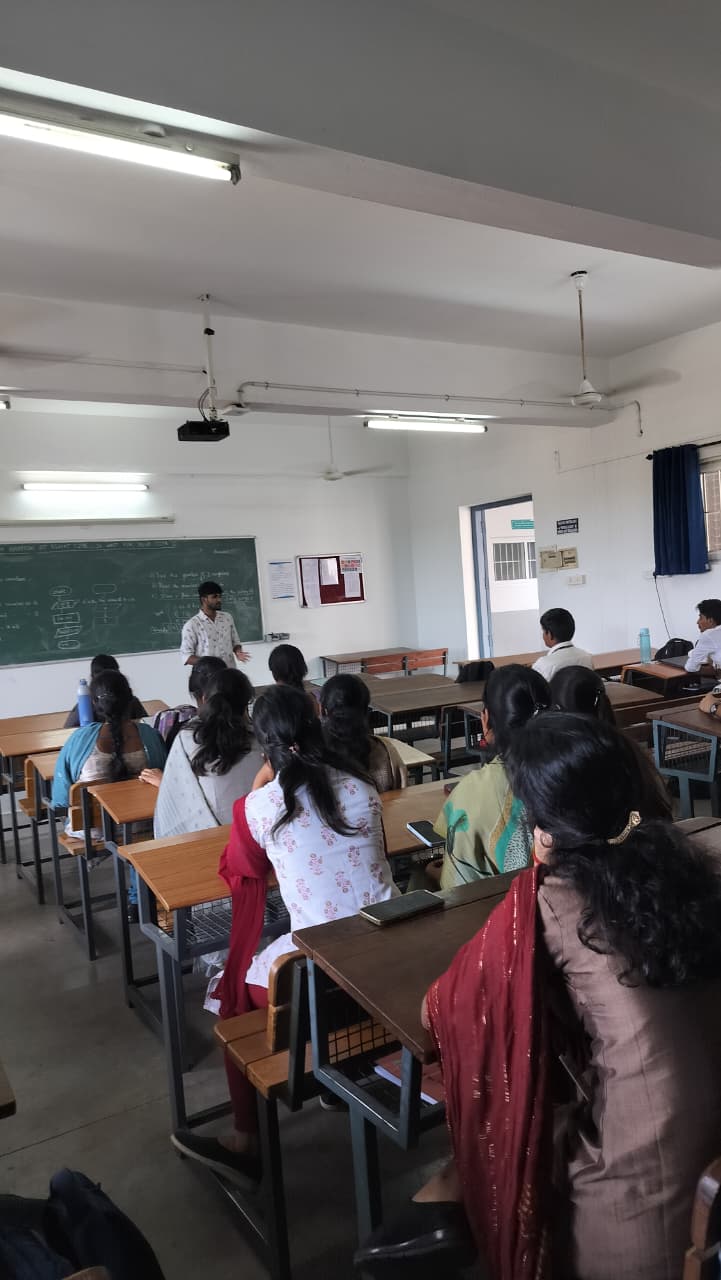
Students actively shared their ongoing projects, experiments, and creative ideas. It was inspiring to see how readily they are embracing AI tools to experiment and bring prototypes to life.
We also delved into the significance of developer communities. Drawing from my journey building and leading the Tamil Nadu Java User Group (Tamilnadu JUG), I highlighted how peer collaboration, open knowledge sharing, and active communities unlock mentorship and growth opportunities far beyond the classroom.
My Contribution / Learnings#
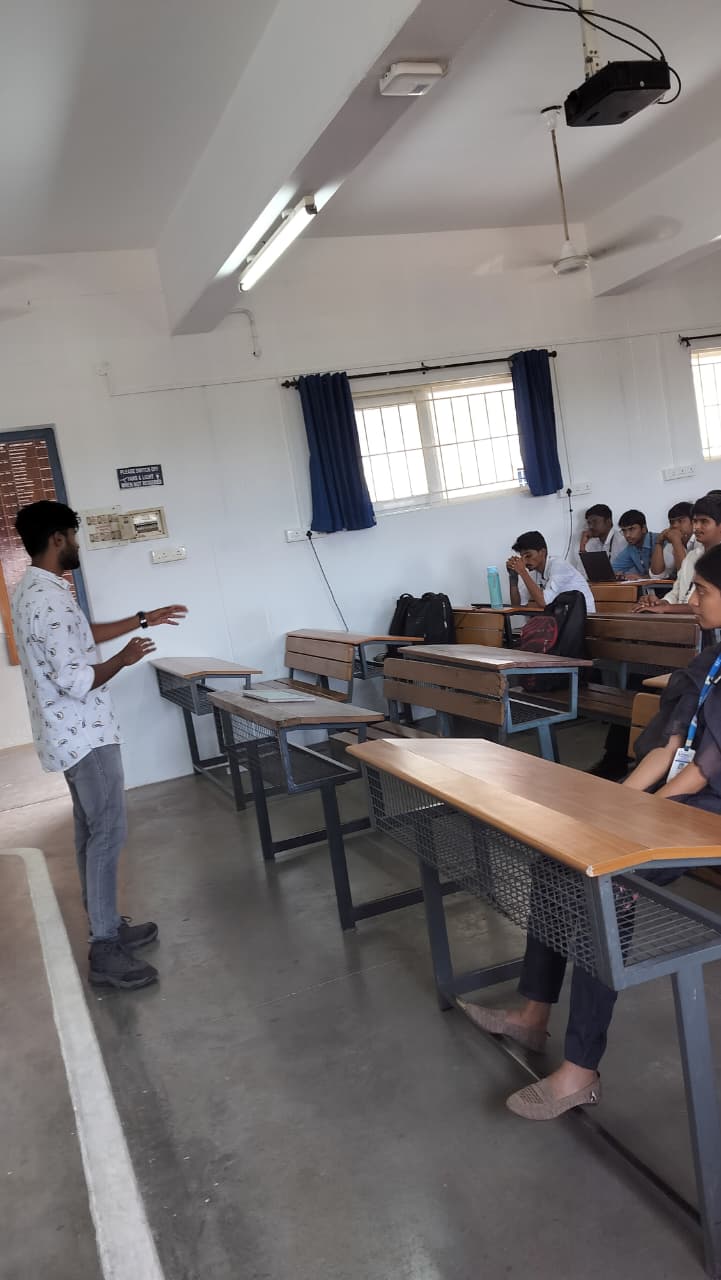
My contribution focused on bridging industry expectations with practical technology adoption, hands-on mentoring, and community-driven learning:
- Industry & Job Market Perspectives: Shared frontline software industry insights, helping students understand shifting hiring expectations and how to cultivate market-relevant engineering skills.
- AI & Vibe Coding: Introduced practical approaches to AI-assisted development, demonstrating how vibe coding and modern AI workflows can help developers rapidly validate ideas and build functional prototypes.
- Project Mentoring: Reviewed student initiatives and ideas, encouraging them to look beyond baseline implementation toward creativity, problem-solving depth, and real-world impact.
- Community Leadership & Networking: Shared lessons from leading the Tamil Nadu Java User Group, demonstrating how community participation accelerates learning, networking, and career growth.
- Responsible AI Mindset: Guided students on treating AI tools as thought partners that amplify fundamental problem-solving rather than mere shortcuts to finish assignments.
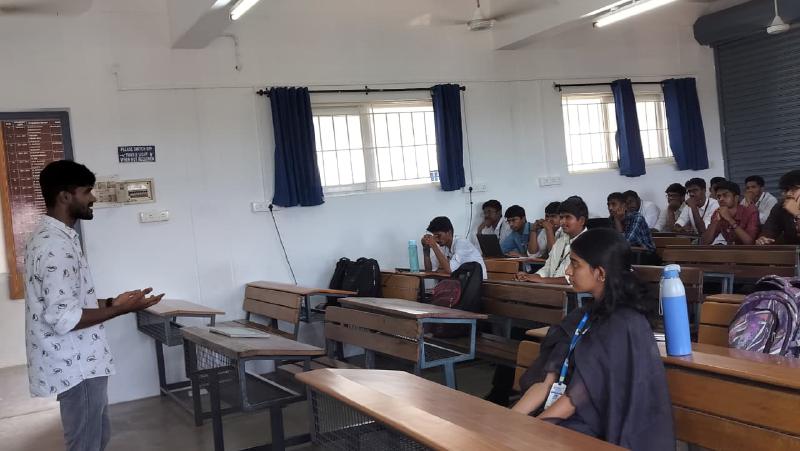
The most rewarding part of the session was seeing students actively challenge assumptions, share their own experiments, and realize that with curiosity and the right tools, they can bridge the gap from “I have an idea” to “I can build it” right now.