Event Summary#
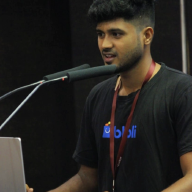
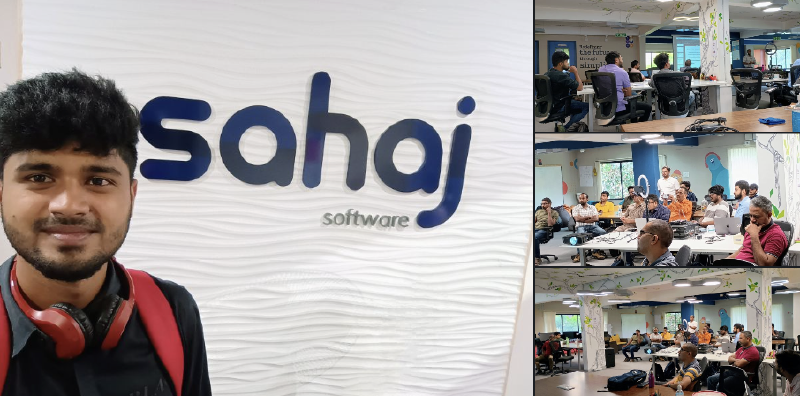
The Java User Group (JUG) Bangalore meetup hosted at Sahaj Software was a high-impact technical gathering that explored the latest advancements in Java and DevOps automation. The event featured a strong lineup of sessions that combined JVM-level innovation with real-world engineering challenges. Topics ranged from performance optimization using the Vector API, to the future of DevOps automation, and advanced native interoperability through Java’s Foreign Function and Memory API. Each session provided deep technical insights, practical examples, and forward-looking perspectives—making the meetup a valuable learning experience for developers aiming to stay ahead in modern software development. The collaborative atmosphere and active participation further strengthened the sense of community-driven learning that JUG Bangalore consistently fosters.
My Learning#
As an active attendee, I engaged deeply with all three sessions and discussions. The talk on the Vector API helped me better understand SIMD-based data parallelism and how Java is evolving to deliver high-performance computing capabilities. The DevOps-focused session sparked meaningful thoughts on how automation and open-source innovation can address recurring challenges faced by Java developers, especially through community-driven tooling. The deep dive into the Foreign Function and Memory API expanded my perspective on native integrations, memory management, and moving beyond traditional JNI approaches. Beyond the technical learning, I actively connected with fellow developers, exchanged ideas around open-source projects, and participated in conversations that extended learning beyond the sessions themselves. This meetup reinforced my belief that community platforms like JUG play a crucial role in continuous learning, collaboration, and professional growth within the Java ecosystem.
Relevant Links#
- LinkedIn: Post Link